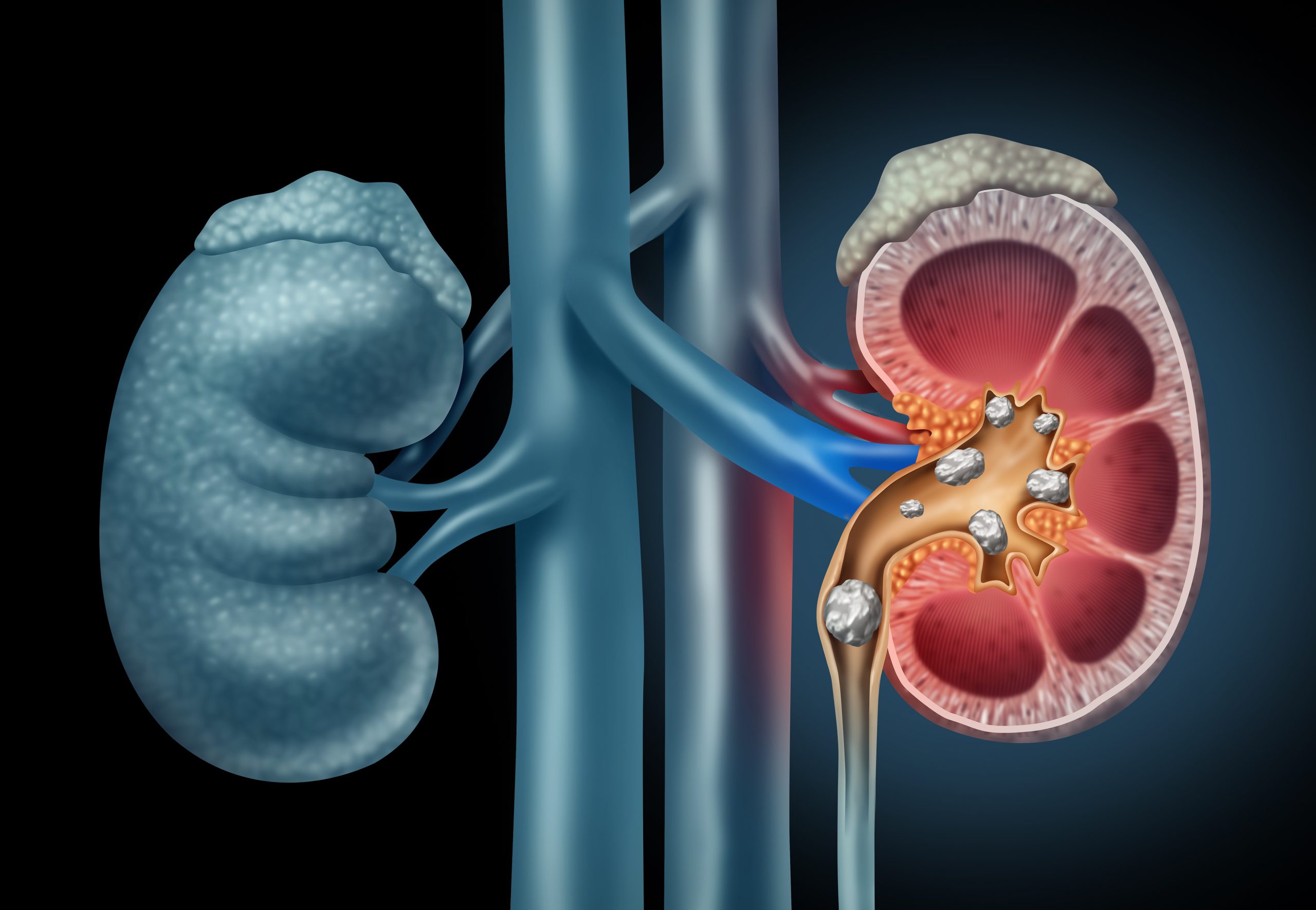
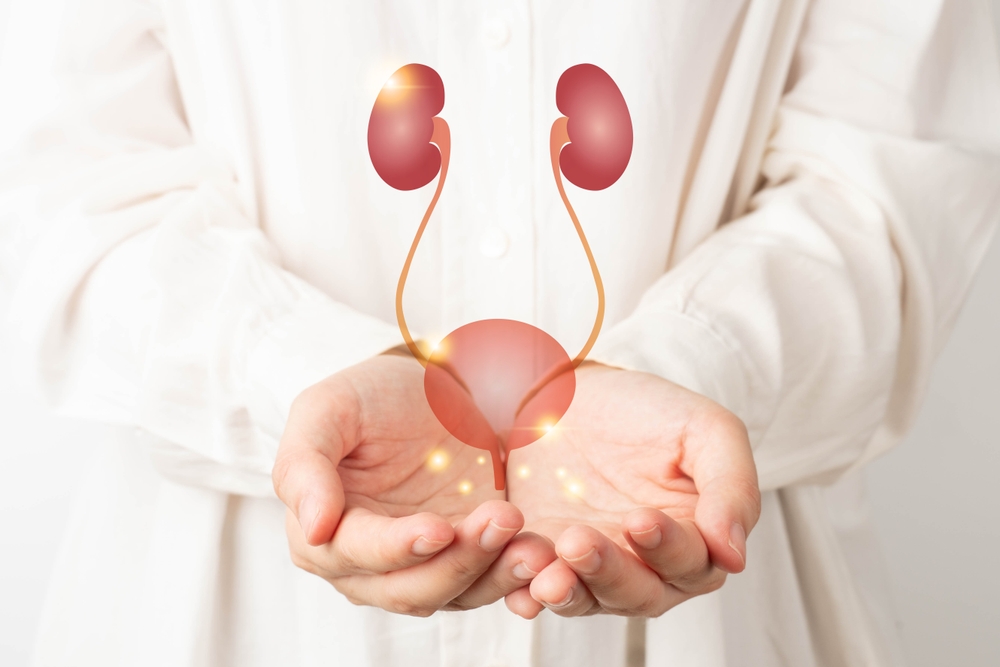
Ureter stones are small, hard deposits that form in the kidneys and travel down the ureter, causing pain and potential blockage. These stones can disrupt urinary flow, leading to discomfort, infection, or severe kidney complications if untreated.
Causes & Symptoms
Causes:
Dehydration
High levels of calcium or oxalate in urine
Urinary tract infections
Genetic predisposition
Symptoms
Sharp pain in the lower abdomen or back
Blood in urine
Frequent urge to urinate
Nausea and vomiting
Diagnosis & Evaluation
Our clinic utilizes advanced diagnostic tools such as:
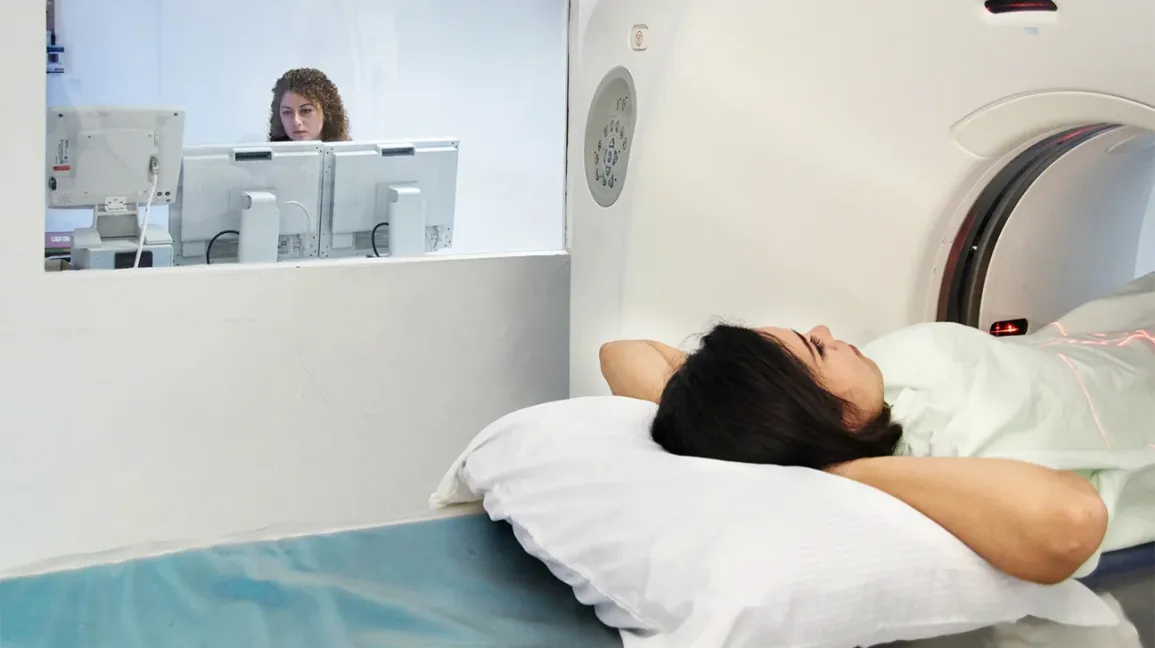
Ultrasound & CT Scans – To detect stone size and location
Urine & Blood Tests – To check for infections and underlying causes
X-rays – To track the movement of stones
Treatment Options
We offer several effective treatments based on the size and severity of the ureter stone: Medication Therapy: Small stones may pass naturally with prescribed pain relievers and hydration. Ureteroscopy (URS): A minimally invasive procedure where a small scope removes the stone. Shock Wave Lithotripsy (SWL): Non-surgical treatment using sound waves to break the stone. Surgical Removal: In severe cases, a minor surgical procedure may be required.
Prevention & Lifestyle Tips
Drink plenty of water daily
Reduce salt and oxalate-rich foods
Maintain a balanced diet
Regular checkups for those with a history of kidney stones
Frequently Asked Questions (FAQs)
Yes, small stones may pass naturally, but larger ones may require medical intervention.
No, it is performed under anesthesia, and recovery is quick.
Most patients recover within a few days, depending on the procedure.