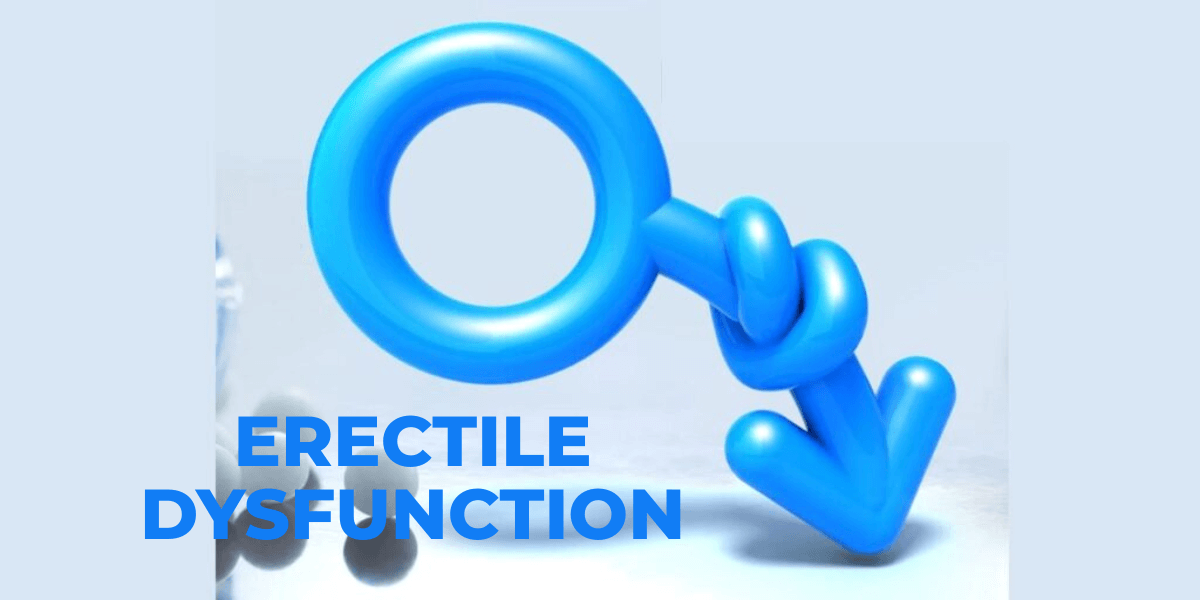
Erectile Dysfunction (ED) is the persistent inability to get or keep an erection firm enough for sexual intercourse. It’s a common condition that can affect a man’s confidence, relationships, and quality of life.
The encouraging news is that ED is highly treatable. It affects over half of men between the ages of 40 and 70, but many suffer in silence due to embarrassment. The first and most important step is to talk to a healthcare professional, as ED is often a sign of other health conditions that need attention, such as heart disease or diabetes.
Erectile Dysfunction (ED) is a common male sexual health problem affecting men of all ages in Pakistan. It refers to the inability to achieve or maintain an adequate erection for sexual activity. In Multan, many men silently suffer from ED due to lack of awareness, hesitation, or fear of stigma, yet effective medical treatment is available.
Recognizing the Symptoms and Types of ED
Understanding the different forms of ED is key to finding the right treatment. The symptoms are often straightforward but should be ongoing, not just occasional.
Common symptoms include:
- Persistent trouble getting an erection.
- Difficulty maintaining an erection during sex.
- A noticeable reduction in sexual desire.
- Weak or incomplete erections
- Performance anxiety or stress during intimacy
ED is not one single condition. It’s categorized by its underlying cause, which can be physical, psychological, or a mix of both:
| Type of ED | Primary Cause | Common Examples |
| Vascular | Problems with blood flow to the penis (most common type) | Heart disease, clogged arteries (atherosclerosis), high blood pressure, high cholesterol, diabetes. |
| Neurogenic | Nerve damage that disrupts signals for an erection | Diabetes, multiple sclerosis, Parkinson’s disease, spinal cord injuries, pelvic surgery. |
| Hormonal | Imbalances in key hormones, particularly testosterone | Low testosterone (hypogonadism), thyroid disorders. |
| Psychogenic | Psychological or emotional factors | Stress, anxiety, depression, relationship problems, performance anxiety. |
For many men, the cause is a combination of physical and psychological factors.
Key Precautions: Lifestyle Changes for Prevention and Management
Before or alongside medical treatment, lifestyle modifications can have a powerful impact on improving erectile function. Research shows that addressing modifiable risk factors is crucial.
- Prioritize Physical Activity: Regular cardiovascular exercise, like brisk walking for 30 minutes a day, can improve blood flow and is linked to a significantly lower risk of ED. Studies show exercise can even restore sexual performance in men with obesity.
- Focus on a Heart-Healthy Diet: Eat a diet rich in fruits, vegetables, whole grains, and fish, while limiting red meat and processed foods. This supports vascular health, which is directly linked to erectile function.
- Maintain a Healthy Weight: Excess weight, especially around the waist, is a major risk factor for ED. Losing weight can improve hormone levels and blood vessel function.
- Quit Smoking and Limit Alcohol: Smoking damages blood vessels, reducing blood flow to the penis. Excessive alcohol use is also a known cause of ED.
- Manage Stress and Mental Health: Chronic stress, anxiety, and depression can interfere with sexual arousal. Seeking help from a counselor or therapist can be an essential part of treatment.
A Range of Effective Treatment Options
Modern medicine offers many effective solutions for ED. A consultation with a specialist will determine the best path for you.
1. Oral Medications (PDE5 Inhibitors)
Medications like Sildenafil (Viagra), Tadalafil (Cialis), Vardenafil, and Avanafil (Stendra) are often the first line of treatment. They work by enhancing blood flow to the penis during sexual stimulation. They differ in how quickly they work and how long their effects last. Important: These medications require a prescription and are not safe for men taking nitrate drugs for chest pain.
2. Other Medical and Device-Based Therapies
If pills are not suitable or effective, several other reliable options exist:
- Penile Injections or Urethral Suppositories: Medications are self-adminrated to directly produce an erection within 10 minutes.
- Vacuum Erection Device (Penile Pump): A non-invasive device that uses suction to draw blood into the penis, maintained by a tension ring.
- Testosterone Replacement Therapy: Recommended only if blood tests confirm low testosterone levels.
3. Surgical Treatment: Penile Implant
For men who do not respond to other treatments, a penile implant is a highly effective and permanent solution. It involves a surgical procedure to place a device that allows the man to control when he has an erection. This option has a very high satisfaction rate among patients and their partners.
Taking the Next Step: Consult with a Specialist in Multan
If you are experiencing symptoms of ED, consulting with a qualified urologist is the most responsible step you can take for your health.
Professor Dr. Abdul Ghaffar is a renowned and highly experienced urologist and sexologist in Multan. As a pioneer of advanced urology in the region and the former Head of the Urology Department at Nishtar Medical University, he brings decades of expertise to diagnosing and treating complex urological conditions, including erectile dysfunction.
Dr. Abdul Ghaffar emphasizes a patient-centered approach. At his clinic in Punjab Hospital, New Multan, he provides:
- Comprehensive Diagnosis: Identifying the root cause of ED, which is essential for effective treatment.
- Personalized Treatment Plans: Offering a full spectrum of options, from lifestyle advice and medication to advanced surgical solutions tailored to your specific needs.
- Expertise and Compassion: Understanding the sensitive nature of the condition and providing care in a supportive environment.
Don’t let embarrassment prevent you from seeking help. ED is a common medical condition, and effective treatments are available. By consulting with an expert like Dr. Abdul Ghaffar, you can address the issue, improve your sexual health, and enhance your overall well-being.
To book a consultation with Professor Dr. Abdul Ghaffar, you can visit his clinic at Punjab Hospital, House 16 Block X, New Multan, General Bus Stand Road, Multan, or call 0312 9088088.